
Law of Arbitration in India - Introduction and Key Components
 Lawyer's Arc
Dec 27
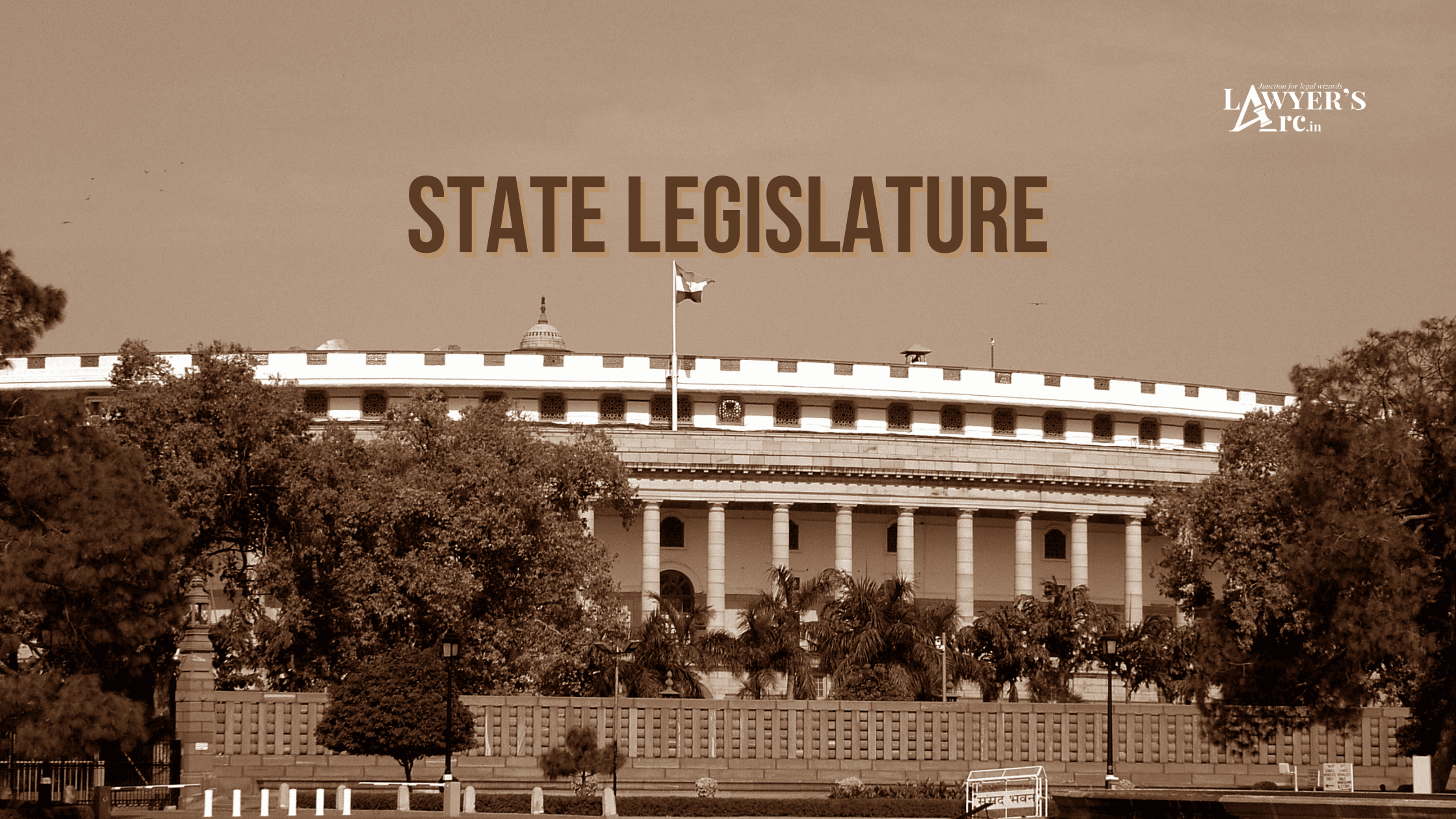
The legislature is the entity responsible for establishing laws in the state. It has the authority to enact legislation as well as govern the country. According to Article 168 of the Indian Constitution, a state may have both a unicameral (Legislative Assembly) and a bicameral legislature. Every state must have a legislature, which includes the governor.

The Right to Freedom of Religion, encapsulated within the provisions of Articles 25 to 28 of the Indian Constitution, stands as a foundational pillar within India's democratic ethos. Its significance extends far beyond legal statutes; it embodies the collective commitment of the Indian nation towards fostering a society that reveres secularism,..
The preamble of the Indian Constitution states that Indian democratic governments are “Of the people, For the people, and by the people”. Our constitution makers envisioned a nation where its citizens' rights are paramount. Part III of the constitution brings this objective to realization.
A state cannot govern itself on an ad-hoc basis without there being some norms to regulate it’s basic institution. Governmental organs must draw their power and functions from a predictable body of norms and rules. The purpose of having a constitution is to have a framework of government which is likely to endure through vicissitudes of a person.
 Lawyer's Arc
 Lawyer's Arc
 Lawyer's Arc
 Lawyer's Arc
 Lawyer's Arc